Wooden Cubes: A Versatile Toy for Kindergarten and Beyond
Wooden cubes have long been a staple in the world of children's toys, offering endless possibilities for creativity, learning, and play. Whether used in a kindergarten classroom, at home, or as part of a larger set of educational tools, these simple blocks are more than just a toy—they're a powerful tool for development. In this article, we'll explore the significance of wooden cubes, their role in early childhood education, and how they can be used in various creative contexts, from baby shower invitations to digital design projects.
What Are Wooden Cubes?
Wooden cubes are small, square-shaped blocks typically made from natural wood. They come in a variety of sizes, colors, and designs, making them ideal for both sensory play and structured learning activities. These blocks are often used in kindergartens and preschools as part of a broader set of toys designed to stimulate a child’s cognitive, motor, and social skills.
One of the most popular variations is the kindergarten cube, which is specifically designed for young learners. These cubes may feature letters, numbers, or basic shapes, helping children recognize patterns and develop early literacy and numeracy skills. Additionally, blocks for the sandbox are often larger and more durable, allowing kids to build structures outside in a natural setting.
The Educational Value of Wooden Cubes
Wooden cubes are not just fun—they’re also incredibly educational. When children stack, sort, or arrange these blocks, they’re engaging in activities that promote critical thinking, problem-solving, and hand-eye coordination. For example, a design elements set might include cubes with different textures, colors, or patterns, encouraging kids to explore concepts like symmetry, balance, and spatial awareness.
In a classroom setting, teachers often use wooden cubes to teach lessons on geometry, measurement, and even basic physics. By building towers or bridges, students learn about weight distribution, stability, and cause and effect. This hands-on approach makes learning more engaging and memorable for young minds.
Wooden Cubes in Creative Projects
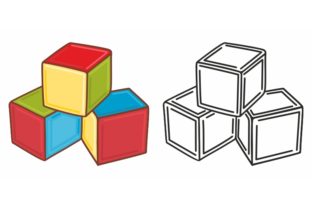
While wooden cubes are commonly associated with play, they also have a wide range of applications in creative and commercial settings. The set of toys for kids mentioned in this listing includes digital files such as .EPS10, .JPG, and .SVG, which can be used for a variety of design purposes. These high-quality images are perfect for creating custom invitations, greeting cards, t-shirts, wall art, and more.
For instance, a cartoon-style block image could be used in a children's book or a preschool curriculum. Similarly, a geometric shape or alphabet letter design could serve as a logo for an educational brand or a background for a summer camp brochure. The versatility of these files makes them an invaluable resource for designers, educators, and parents alike.
Why Choose Wooden Cubes Over Plastic Alternatives?
Many modern toys are made from plastic, but wooden cubes offer several advantages that make them a preferred choice for many parents and educators. First, wood is a natural, non-toxic material that is safe for young children. Unlike some plastic toys, which may contain harmful chemicals, wooden blocks are generally free from toxins and are easy to clean.
Additionally, wooden cubes tend to be more durable and long-lasting. They can withstand rough play and repeated use, making them a cost-effective investment for families and schools. Furthermore, the tactile experience of playing with wooden blocks—feeling the grain, weight, and texture—can enhance a child’s sensory development in ways that smooth, uniform plastic pieces cannot.
Using Wooden Cubes in Everyday Play
Wooden cubes are not limited to formal learning environments. They can be used in a variety of everyday situations to encourage creativity and imagination. For example, during a baby shower, a set of wooden cube images could be incorporated into invitations or decorations, adding a whimsical and educational touch to the event.
At home, parents can use wooden cubes to help their children practice counting, sorting, or even storytelling. A simple activity like stacking cubes in a specific order can teach sequencing and pattern recognition. Meanwhile, a sandbox filled with wooden blocks allows kids to build castles, roads, or entire miniature worlds, promoting both physical activity and imaginative play.
Common Misconceptions About Wooden Cubes
Despite their popularity, there are a few common misconceptions about wooden cubes that are worth addressing. One such myth is that they are only suitable for very young children. While it's true that they are excellent for toddlers and preschoolers, wooden cubes can also be beneficial for older children and even adults. For example, they can be used in mindfulness exercises, art projects, or engineering challenges.
Another misconception is that wooden cubes are less engaging than electronic toys. However, research has shown that traditional toys like blocks can be just as stimulating, if not more so, because they require active participation and imagination. Unlike screens, which often provide passive entertainment, wooden cubes encourage interaction, exploration, and creativity.
How to Incorporate Wooden Cubes Into Your Life
If you're looking to introduce wooden cubes into your home or classroom, there are several ways to do so. Start by choosing a set that matches your child's age and interests. For younger kids, opt for larger, colorful blocks with simple designs. For older children, consider sets that include letters, numbers, or more complex shapes.
You can also take advantage of the digital design files included in this listing to create personalized materials. Whether you're designing a custom invitation, a logo, or a classroom poster, these high-quality images will add a professional and creative touch to your work.
Conclusion
Wooden cubes are more than just a toy—they're a valuable tool for learning, creativity, and development. From kindergarten classrooms to digital design projects, these simple blocks have a wide range of applications that make them essential for both children and adults. Whether you're using them for play, education, or artistic expression, wooden cubes offer a unique and rewarding experience that can benefit people of all ages.
By understanding the purpose and potential of wooden cubes, you can make the most of this versatile and enduring toy. Whether you're a parent, educator, or designer, there's something for everyone in the world of wooden blocks.