Big City Vector City Buildings: A Strategic Design Resource for Creative Professionals
For creative professionals, entrepreneurs, and designers, the right visual assets can make a significant difference in project outcomes. Big City Vector City Buildings offers a versatile collection of scalable vector files that cater to a wide range of design needs. Whether you're working on print materials, digital projects, or infographics, this set provides a foundation for visually compelling work.
The set includes multiple file formats such as .ai, .eps, .jpg, and .png, ensuring compatibility across different platforms and software. Each file is designed with editable colors, allowing users to customize the visuals to match their brand identity or project requirements. This flexibility makes Big City Vector City Buildings an essential tool for anyone looking to enhance their design workflow.
Why Big City Vector City Buildings Matters for Strategic Design
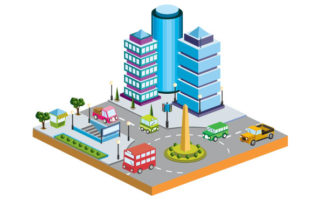
Strategic design isn't just about aesthetics—it's about purpose. Big City Vector City Buildings supports this by offering a library of retro-style city buildings that can be used in various contexts. From website design to marketing collateral, these elements help create a cohesive visual language that aligns with your goals.
For instance, a designer working on a website for a real estate company might use these vector buildings to illustrate urban development themes. The ability to adjust colors ensures that the visuals integrate seamlessly with the site’s color scheme. Similarly, a marketer creating a presentation on city planning could leverage these assets to visualize concepts more effectively.
By incorporating Big City Vector City Buildings into your projects, you can save time and maintain consistency without sacrificing creativity. These files are not just placeholders—they’re tools that support thoughtful design decisions.
When to Use Big City Vector City Buildings: Practical Scenarios
Understanding when to use Big City Vector City Buildings can maximize its value. Consider the following scenarios:
- Infographic Development: When creating data-driven content, these vector buildings can serve as background elements or icons to represent urban environments.
- Print Materials: For brochures, posters, or business cards, the high-resolution .eps and .ai files ensure crisp, professional results.
- Web Design: The .jpg and .png files are ideal for web use, providing flexibility in layout and composition.
- Brand Identity: Customizing colors to match your brand allows for consistent visual storytelling across all touchpoints.
Each use case requires a different approach. For example, when designing for print, focus on resolution and color accuracy. For web, prioritize file size and loading speed. By aligning your strategy with the intended application, you can achieve better results.
How to Approach Big City Vector City Buildings: Planning and Execution
Before diving into a project, take time to plan how you’ll use Big City Vector City Buildings. Start by defining your objectives. Are you aiming to improve user engagement, reinforce brand messaging, or streamline your design process?
Next, consider the context. What is the target audience? What is the tone of the project? These factors will influence how you incorporate the vector elements. For instance, a tech startup might prefer a modern, minimalist look, while a historical preservation group may lean toward a more traditional aesthetic.
It’s also important to evaluate the quality of the files. Ensure that the vector elements are clean, well-structured, and easy to edit. Test them in your design software to confirm compatibility and performance. This step can prevent last-minute issues and save time during the production phase.
Strategic Observations: Leveraging Big City Vector City Buildings for Long-Term Value
While Big City Vector City Buildings is a powerful resource, its long-term value depends on how it’s integrated into your workflow. One key observation is that these assets should be part of a broader design strategy rather than a quick fix.
For example, if you’re building a portfolio, using these vector buildings consistently across projects can help establish a recognizable style. Similarly, if you’re managing a brand, maintaining a library of reusable assets like these can improve efficiency and reduce costs over time.
Another consideration is scalability. As your design needs evolve, having access to a flexible set of vector elements means you can adapt without starting from scratch. This is especially valuable for freelancers and small businesses that need to remain agile.
Risks of Using Big City Vector City Buildings Without Clear Goals
Without a clear purpose, even the best design resources can fall short. Using Big City Vector City Buildings randomly or without a defined objective may lead to inconsistent results or wasted effort.
For instance, inserting a vector building into a design simply because it looks good might disrupt the overall message or confuse the audience. Similarly, failing to consider color harmony or layout balance can result in a cluttered or unprofessional appearance.
To avoid these pitfalls, always ask: What is the goal of this design? How does this element contribute to that goal? By answering these questions, you can ensure that every use of Big City Vector City Buildings adds value rather than detracts from it.
Decision-Making Guidance: Intentional Use of Big City Vector City Buildings
Intentional use of Big City Vector City Buildings involves making informed choices at each stage of the design process. Start by identifying the specific needs of your project. Do you need a backdrop, a focal point, or a supporting element?
Then, assess how the vector buildings fit into your existing design system. If they don’t align with your current style, consider modifying them to match. This might involve adjusting colors, scaling elements, or combining them with other assets.
Finally, test your designs with real users or stakeholders. Gather feedback to see if the vector buildings enhance the message or distract from it. This iterative process helps refine your approach and ensures that the final product meets your strategic goals.
Conclusion: Big City Vector City Buildings as a Strategic Asset
Big City Vector City Buildings is more than just a collection of graphics—it’s a strategic asset that can elevate your design work. By understanding its capabilities, planning its use, and applying it intentionally, you can achieve better results in your creative projects.
Whether you’re a designer, marketer, or business owner, these vector files offer a practical way to enhance visual communication, streamline workflows, and build stronger brand identities. With careful consideration and strategic execution, Big City Vector City Buildings can become a cornerstone of your design toolkit.